Column · @josuemzzk280
Home-Like Convenience: Why Smaller Assisted Living Is Finest for Memory Care
Business Name: BeeHive Homes of Frisco
Address: 2660 Timber Ridge Dr, Frisco, TX 75034
Phone: (469) 353-8232
BeeHive Homes of Frisco
Residential Assisted Living and Memory Care homes with compassion, core values, and care.
2660 Timber Ridge Dr, Frisco, TX 75034
Business Hours
Families seldom start their search for memory care with layout and staffing ratios. They begin with a sensation: concern, regret, exhaustion, and the nagging fear that no community will ever look after their loved one the method household does.
After twenty years working in senior care, much of it concentrated on dementia care and assisted living, I have enjoyed that worry soften when families walk into a smaller, home-like setting. They see staff greeting locals by name without glancing at a chart. They hear a real cooking area timer, not a distant overhead page. They see a resident assisting fold towels at the dining table, not drifting alone in a corridor.
The physical area matters, however the scale matters more. Smaller assisted living and memory care environments almost always make it much easier to provide the kind of care that individuals with dementia actually need: familiar, calm, relational, and flexible.
This is not a universal guideline. Big neighborhoods can work well for particular senior citizens, and little homes can be improperly run. But when we focus particularly on memory care and dementia care, the advantages of a smaller sized, home-like setting are striking.
What "smaller sized" really suggests in memory care
Families frequently ask: "What counts as small?" There is no magic number, and state policies vary, but in practice you see 3 broad models.
Traditional assisted living neighborhoods in some cases have 60 to 150 residents, with a different protected wing or flooring for memory care. Those memory care systems might house 20 to 40 people in a self included space.
Small assisted living or residential care homes usually serve 6 to 16 residents in a house that feels and look like a single family home or a really little lodge. Staff exist around the clock, however the day-to-day rhythm leans closer to ordinary home life than to a medical facility.
Boutique memory care neighborhoods sit between these two worlds. They may have 30 to 60 homeowners, however organized into numerous smaller sized "families" of 8 to 12 people each, with devoted personnel and shared living areas.
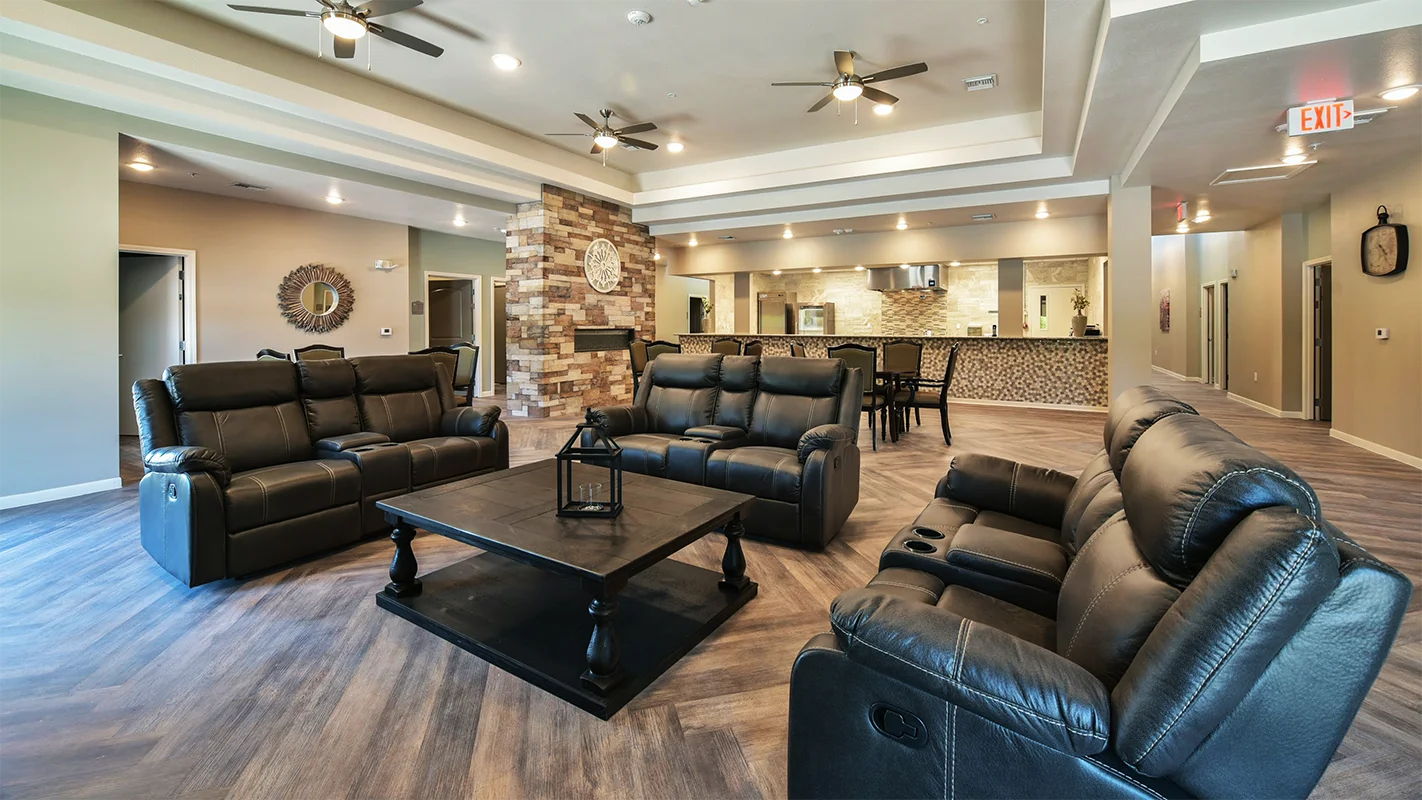
For this discussion, "smaller sized" means either true residential homes or home design memory care where daily life plays out on a scale you may recognize from your own home: one kitchen area, one dining-room, a den, a backyard, and a staff team that understands precisely who remains in your house at any given time.
Why size and scale matter a lot in dementia care
Dementia improves how a person takes in the world. Noise feels louder. Choices feel more confusing. Strangers feel more threatening. The person may not remember your name, but they pick up whether you feel hurried or relaxed, kind or annoyed.
In that context, the scale of the environment is not a design choice. It is a scientific factor.
In smaller sized settings, staff can rely more on observation and relationship than on official paperwork. I think of one resident, a previous teacher with moderate Alzheimer's, who might no longer inform you she was tired or nervous. In a 10 resident home, staff saw that she constantly started pacing about 20 minutes before lunch. They explored: a little treat and 5 quiet minutes on the porch cut the pacing in half. No unique program, no new medication, simply consistent personnel who might see patterns because the environment was manageable.
In a larger unit with 30 residents, that kind of information is much harder to capture. Staff might do their finest, but they are covering more people topped more space, managing more jobs that are not really about direct care.
For people with dementia, small scale brings three vital benefits: predictability, recognition, and easier choices.
Predictability: routines that in fact hold
Most memory care communities talk about routine. Yet regular does not merely indicate serving meals at standard hours. It also implies predictable faces, voices, smells, and activity levels.
In a small assisted living home, the early morning may unfold with the exact same two or three employee helping everyone wake, gown, and begin the day. The odor of coffee and toast fills the entire house. Citizens see each other walking around the typical spaces. Even if they can not explain the routine, they feel its rhythm.
In a large community, life includes more transitions. Morning personnel may work one hallway, then transfer to another. House cleaning, dining services, activities personnel, medication aides, and nurses move in and out. The resident's door might open for 5 or 6 different individuals before lunch. For a healthy adult, that is regular. For somebody with dementia, it can be disorienting.
Consistent regimen in a small area does not simply feel much better. It reduces confusion, wandering, and behavioral expressions like agitation or repetitive questioning, all of which can spiral into preventable hospitalization or early nursing home placement.
Recognition: relationships rather of surveillance
Good dementia care is not about creative security functions, it is about individuals noticing early signs of trouble.
In a small home, personnel quickly learn each resident's natural baseline. They know who hums while they eat, who always presses peas to the side of the plate, who prefers 2 cups of coffee. When something shifts, even somewhat, it is obvious.
I remember a quiet gentleman with vascular dementia who lived in a 12 bed home. One early morning, the overnight caregiver discussed that he had not finished his usual late night treat and appeared slower on his feet at 6 a.m. By 9 a.m., the day staff and the nurse had looked at him two times. Since everybody understood that this was uncommon for him, they called his physician and captured a urinary tract infection early, before it triggered considerable delirium.
Had he been one of thirty citizens, covered by two or 3 staff across a broader floor, that subtle change might have gone undetected for a day or two. The result would likely have actually been a trip to the healthcare facility, potentially a fall, and a high decline.
Smaller settings do not get rid of danger, however they make it much easier to practice proactive, relationship based senior care.
Simpler options, less cognitive overload
Imagine being dropped in the middle of a hotel lobby with three restaurant options, elevators in 2 directions, people going through, and music playing. If you are healthy, you can filter the sound, scan the signs, and choose. If you have dementia, that very same environment can seem like chaos.
In a little assisted living home, there is typically simply one main living-room, one dining area, and a small number of bed rooms along one or two short corridors. It is really hard to get truly lost. Citizens do not have to parse choices at every step.
This matters not just for security but for dignity. When you streamline the environment, you give the individual more functional self-reliance. They can discover the restroom without aid, stroll to the table without hints, and browse to the porch on their own. Autonomy in little moments protects identity, particularly as dementia advances.
Why home-like comfort is more than décor
Families in some cases over focus on appearance. They fall in love with a memory care system that has a lovely lobby, high ceilings, and coordinated furnishings, then worry in a smaller sized home with older cabinets and a simple backyard.
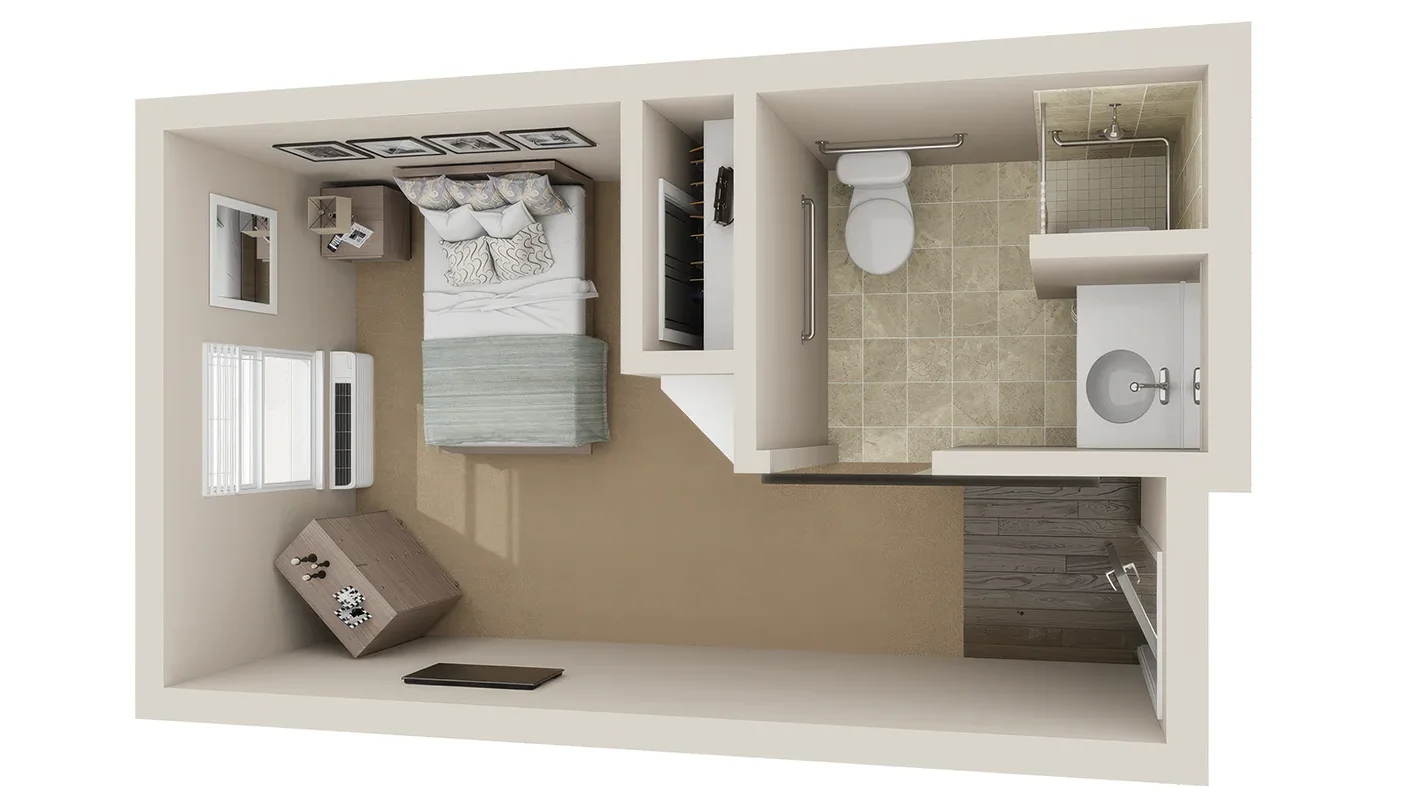
A home-like environment is not about designer finishes. It is about sensory hints that match long-lasting experience: a real front door, a kitchen at the heart of the area, a dining table that seems like it could host a family meal, a sofa where you can install your feet without sensation you have broken a rule.
People with dementia retain emotional memory far longer than factual memory. They may not remember what they had for breakfast, but they remember what "home" seems like. When the environment sends home-like senior care signals, you see subtle shifts: shoulders relax, discussion comes more easily, and resistance to basic care typically softens.
The most efficient little memory care homes I have actually dealt with share a couple of elements:
- A central cooking area that citizens can see, smell, and sometimes securely take part in. Hearing meals clink and smelling food cooking assists orient time of day.
- Personal products and familiar mess put thoughtfully, not removed away for a "hotel" look. A stack of folded towels on a chair can invite a previous homemaker to assist in a way that feels natural.
- Flexible seating locations where two or three individuals can talk, not simply one big activity area. People with dementia frequently do much better in little clusters than in big groups.
- Access to the outdoors that feels safe but not prison like. A fenced garden or patio with comfortable chairs motivates natural motion and sunlight exposure.
These functions can exist in bigger communities too, but they end up being more potent in smaller sized numbers, where everyone really inhabits the space rather than checking out a shared facility.
Staffing: the hidden power of smaller teams
Families usually inquire about staffing ratios early. Numbers matter, but in memory care, how staff are released matters more than simple math.
In large assisted living and memory care communities, personnel roles tend to be more segmented. One group manages individual care, another does activities, another focuses on house cleaning, another on medications. This can develop efficiency and clear accountability, however it likewise encourages a job oriented culture.
In a little assisted living home, caretakers wear more than one hat. A caretaker might help with a shower at 8:30, run a little card game at 10:00, chop vegetables along with a resident before lunch, then sit outside with 2 citizens in the afternoon. That does not suggest they do not have expert training; it suggests their work is incorporated into the circulation of daily life.
When a caregiver spends the whole day in the exact same shared area, with the exact same group of homeowners, subtle changes are impossible to ignore. The relationship deepens in both instructions. Citizens feel more comfy expressing requirements. Staff can individualize care without a meeting to "hand off" the plan.
The trade off is that small homes should work with sensibly and support those staff well. A single hard character can have more effect in a 10 resident home than in a 60 resident structure. Strong leadership, reasonable scheduling, regular training in dementia care, and sufficient back up for illness or emergency situations all end up being critical.
From a useful perspective, lots of smaller homes maintain staffing ratios that look comparable or somewhat better than big communities, however the experience is different. 8 residents with one caretaker and a med tech present in a single open area feels really different from eight locals spread across two wings with personnel continuously pulled to respond to system wide alarms.
When larger communities still make sense
Smaller, home-like assisted living is not constantly the best fit. Some elders, even with early dementia, really choose a bigger environment with more features: physical fitness rooms, several dining venues, a complete calendar of events, and chances to communicate with a broad mix of people.
A retired executive used to travel and huge groups might feel stifled in a 10 resident home. A couple where only one partner has cognitive disability may do better in a larger assisted living community that provides both standard assisted living and a secured memory care alternative, so they can stay on the very same campus.
Medical requirements can likewise tilt the balance. Very complex physical care, ventilators, or heavy 2 person transfers might press a person toward an experienced nursing facility, despite memory care needs. Some little homes handle higher acuity very well, others do not. Families need to ask concrete questions about what the home can and can not manage.
Location, cost, and schedule also matter. In thick metropolitan locations, residential style homes may be uncommon or priced at a premium. Some households prioritize distance over setting, selecting a bigger neighborhood five minutes from home rather than a best small home 45 minutes away. That decision can still be sensible, because household existence is itself an effective kind of care.
The key is acknowledging that "larger" does not automatically equivalent "much better services" for dementia, which "smaller sized" does not immediately suggest "less expert."
Respite care as a low risk trial
For households on the fence, respite care offers a beneficial happy medium. Respite care means a short stay, frequently 7 to one month, in an assisted living or memory care setting, with the same services long term citizens receive.
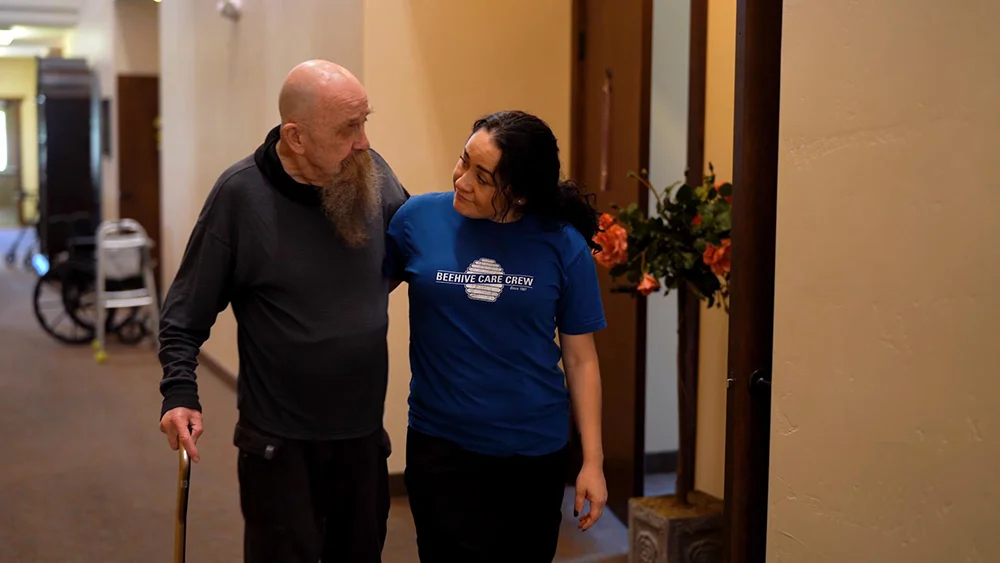
In little memory care homes, respite remains permit both sides to discover. The household can observe whether their loved one settles more quickly, eats better, or engages more when they remain in a calm, home-like environment. Personnel can see whether they can securely satisfy the individual's needs within the limits of the house.
One daughter I dealt with was adamant that her mother needed a large neighborhood with numerous activity options, since her mother had actually constantly been social. The very first placement was a 40 resident memory system. After three weeks, her mother was overwhelmed, not thriving. We organized a two week respite remain in a 12 resident home. The difference shocked everybody. With less options and quieter environments, her mother really got involved more, not less, in everyday life.
Respite care in a smaller sized setting does need preparation. Space is restricted, so there might be a waitlist. Prices can vary: some homes charge a daily respite rate that is somewhat higher than the standard monthly expense, to account for the short-term nature of the stay. Insurance coverage is irregular, so families typically pay of pocket.
Still, for lots of caregivers approaching burnout, even a brief period of respite care in a small, nurturing environment can be life changing. It provides time to rest and recharge while testing whether that particular setting is the right long term fit.
What to try to find when visiting smaller memory care homes
Families often tell me they feel more unwinded the minute they walk into a truly home-like assisted living or dementia care home, however they are not exactly sure how to examine quality beyond that instinct.
Here are focused questions and observations that help:
- Watch how staff interact in vulnerable minutes. Do they use homeowners' names, make eye contact, and speak at a calm pace, or do they sound hurried and task focused?
- Ask who cooks and where. If meals are delivered from an offsite kitchen area or a central center, the home might lose some of the sensory advantage of cooking smells and flexible mealtimes.
- Look at how individual the bedrooms feel. Are residents motivated to bring furniture, photos, and familiar bed linen, or does every room appearance staged and identical?
- Ask specific dementia care questions. How do they handle nighttime wandering? What is their approach to a resident who declines a shower? Listen for individual centered answers instead of stringent rules.
- Find out how they manage medical changes. Do they work closely with visiting physicians, home health, or hospice services? How typically do they send out citizens to the emergency situation room?
You do not need a scientific background to notice whether the answers originate from real experience or from a pamphlet. Personnel who have actually operated in little, home-like settings for several years will tell stories, not simply policies. They will remember actual residents and how they changed care strategies over time.
The emotional impact on families
Families frequently ignore just how much environment impacts them, not simply their loved one. Big assisted living structures can feel frightening to visit. Parking garages, reception desks, long corridors, sign in kiosks, and a continuous flow of complete strangers can sap energy before you even reach the room.
In a smaller sized home, you usually park in a driveway or on the street, approach a front door, and step directly into the living space. Over time, numerous households start to treat visits more like dropping by a relative's home than getting in a center. They might bring a bag of groceries to prepare a preferred dish or sit with a group on the outdoor patio, instead of staging official "going to hours."
This shift matters. Caregiver regret hardly ever disappears, but it softens when you can see and feel that your loved one is part of a genuine home. Siblings who utilized to argue constantly about care decisions often discover it easier to comply when the setting feels warm and transparent.
I have enjoyed adult kids reach a point where they state, without practiced validation, "This feels like home for Dad." That declaration brings huge weight. It generally appears when they see staff joking with their father, when they observe another resident sharing a regular with him, or when they walk in unannounced and discover him taking a snooze peacefully in a familiar chair.
Balancing heart and head in the final decision
Choosing memory care is both a logistical problem and a deeply individual decision. It involves senior care regulations, budget plans, medical requirements, geographic truths, and family dynamics.
Smaller, home-like assisted living and memory care neighborhoods tend to line up more naturally with what individuals with dementia actually require: consistent relationships, a manageable sensory load, easy routines, and opportunities for real involvement in every day life. They support proactive, relational dementia care rather than reactive crisis management. They often make respite care more efficient by providing a mild environment where both resident and caregiver can exhale.
Yet the "best" option is seldom perfect on every axis. The very best little home may be simply out of monetary reach, or located across town. The large community with a stellar reputation might feel slightly institutional but use unmatched medical support.
The most useful approach is to weigh environment as a core aspect, not an afterthought. Ask not only, "Can they satisfy my mother's care needs?" However also, "Can she feel safe and understood in this space?" Picture her early morning routine there. Image her on a difficult day. Photo yourself walking through the door after work, seeing the room, smelling the air, hearing the sounds.
If your shoulders drop and your breath steadies when you think of that, you are likely on the right track. For numerous households facing dementia, that sense of home-like comfort is found more quickly, and more dependably, in smaller assisted living settings developed around the scale of a real home.
BeeHive Homes of Frisco provides assisted living care
BeeHive Homes of Frisco provides memory care services
BeeHive Homes of Frisco provides respite care services
BeeHive Homes of Frisco supports assistance with bathing and grooming
BeeHive Homes of Frisco offers private bedrooms with private bathrooms
BeeHive Homes of Frisco provides medication monitoring and documentation
BeeHive Homes of Frisco serves dietitian-approved meals
BeeHive Homes of Frisco provides housekeeping services
BeeHive Homes of Frisco provides laundry services
BeeHive Homes of Frisco offers community dining and social engagement activities
BeeHive Homes of Frisco features life enrichment activities
BeeHive Homes of Frisco supports personal care assistance during meals and daily routines
BeeHive Homes of Frisco promotes frequent physical and mental exercise opportunities
BeeHive Homes of Frisco provides a home-like residential environment
BeeHive Homes of Frisco creates customized care plans as residents’ needs change
BeeHive Homes of Frisco assesses individual resident care needs
BeeHive Homes of Frisco accepts private pay and long-term care insurance
BeeHive Homes of Frisco assists qualified veterans with Aid and Attendance benefits
BeeHive Homes of Frisco encourages meaningful resident-to-staff relationships
BeeHive Homes of Frisco delivers compassionate, attentive senior care focused on dignity and comfort
BeeHive Homes of Frisco has a phone number of (469) 353-8232
BeeHive Homes of Frisco has an address of 2660 Timber Ridge Dr, Frisco, TX 75034
BeeHive Homes of Frisco has a website https://beehivehomes.com/locations/beehive-homes-frisco/
BeeHive Homes of Frisco has Google Maps listing https://maps.app.goo.gl/HWUAPNmeBuFCmgFdA
BeeHive Homes of Frisco has Facebook page https://www.facebook.com/BeeHive.Frisco.McKinney/
BeeHive Homes of Frisco has an Instagram account at Instagram
BeeHive Homes of Frisco won Top Assisted Living Homes 2026
BeeHive Homes of Frisco earned Best Customer Service Award 2025
BeeHive Homes of Frisco placed 1st for Texas Senior Living Communities 2025
People Also Ask about BeeHive Homes of Frisco
What is BeeHive Homes of Frisco Living monthly room rate?
The rate depends on the level of care that is needed. We do an initial evaluation for each potential resident to determine the level of care needed. The monthly rate is based on this evaluation. There are no hidden costs or fees
Can residents stay in BeeHive Homes of Frisco until the end of their life?
Usually yes. There are exceptions, such as when there are safety issues with the resident, or they need 24 hour skilled nursing services
Do we have a nurse on staff?
No, but each BeeHive Home has a consulting Nurse available on demand. The High Acuity building will have an RN on call 24x7. In some cases the residents can be assessed for Home Health and Hospice needs and if approved can get a higher level of nursing care
What are BeeHive Homes of Frisco's visiting hours?
Visiting hours are adjusted to accommodate the families and the resident’s needs… just not too early or too late
Do we have couple’s rooms available?
Yes. Our Memory care building have double occupancy room which can be shared by couples. In our assisted living the side - by - side rooms can be taken by couples. Please ask about the availability of these rooms
Where is BeeHive Homes of Frisco located?
BeeHive Homes of Frisco is conveniently located at 2660 Timber Ridge Dr, Frisco, TX 75034. You can easily find directions on Google Maps or call at (469) 353-8232 Monday through Sunday 7:00am to 7:00pm
How can I contact BeeHive Homes of Frisco?
You can contact BeeHive Homes of Frisco by phone at: (469) 353-8232, visit their website at https://beehivehomes.com/locations/beehive-homes-frisco/ or connect on social media via Instagram Facebook or YouTube
B.F. Phillips Community Park offers a welcoming outdoor destination where families connected with Assisted living memory care senior care elderly care and respite care can enjoy recreation and quality time together.